

1. Identify the Hotel and Project
Provide the hotel or project name, country and city, whether it is a new build or renovation, its market positioning, and the current stage: concept design, tender, procurement or construction. Also state your role-owner, operator, purchasing company, designer, consultant or contractor-and identify who will approve the final design and specification.
Hotel category is useful context, but it does not determine carpet specifications by itself. Two upscale hotels may have completely different traffic patterns, maintenance programmes, budgets and design priorities. International floor-covering classification guidance is based on the intended area and intensity of use, not simply on a hotel's star rating.
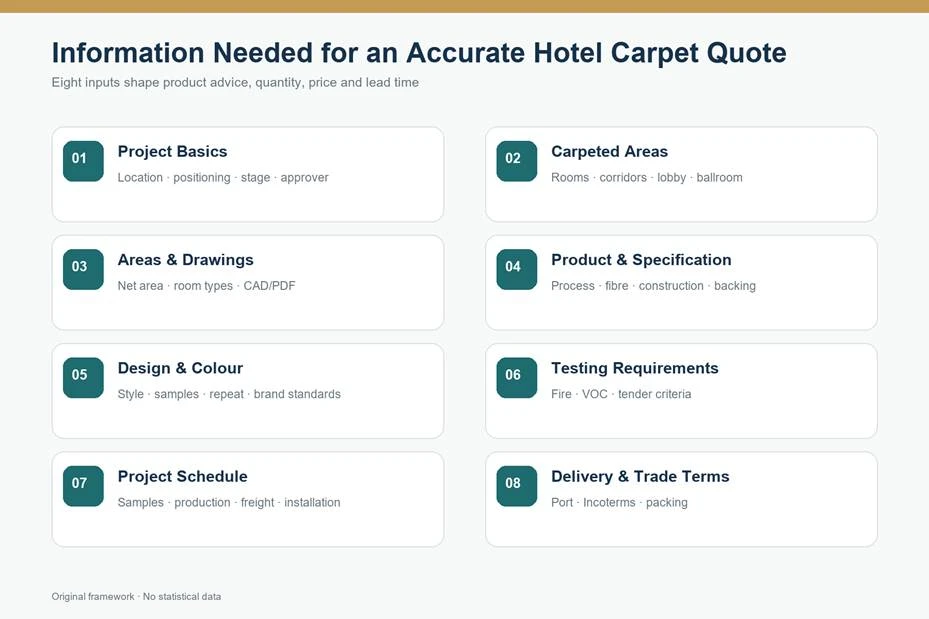
Chart 1 | Information Needed for an Accurate Hotel Carpet Quote
2. Separate the Carpeted Areas
List each area rather than submitting one total:
Guest rooms and suites: comfort underfoot, acoustics, atmosphere and routine cleaning;
Corridors and elevator lobbies: concentrated traffic, luggage and housekeeping trolleys, compression, soil hiding and continuous pattern alignment;
Lobby: first impression, entrance soil, heavy traffic and cleaning efficiency;
Ballroom: large-scale pattern presentation, frequent room resets, durability and project-specific fire requirements;
Restaurant: cleaning conditions, movement routes and visual zoning;
Meeting rooms: acoustics, chair movement and wayfinding;
Carpet tile applications: modular planning and the option to replace selected units where flexible maintenance is useful.
These are typical considerations, not rules that make one carpet construction the only correct answer for an area. Budget, installation method, design intent and local requirements still matter. A room-by-room brief lets the manufacturer compare Axminster, printed nylon, tufted, hand-tufted and carpet tile options instead of forcing one specification across the entire property.
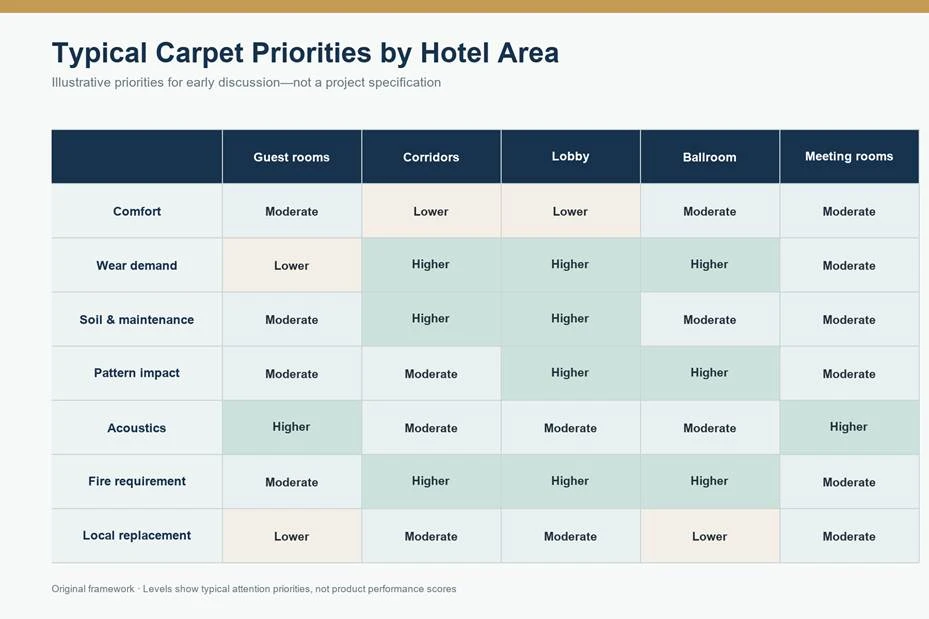
Chart 2 | Typical Carpet Priorities by Hotel Area
3. Provide Areas, Room Counts and Drawings
For each area, provide the net carpeted floor area. Add the total area, number of rooms, corridor lengths and widths, number of floors, repeated room types and any phasing. CAD drawings are best for take-offs, but dimensioned PDF plans or a clear room schedule are much better than no drawing at all.
The net installation area is not automatically the purchase quantity. Roll width, geometry, laying direction, repeat, matching, seams, cutting and maintenance stock may affect the order. The Carpet and Rug Institute's commercial installation standard notes that patterned carpet requires additional material for matching and that seam planning should reflect pattern direction and roll sequence.
There is therefore no honest "universal waste percentage" for every hotel. Waste and reserve quantities should be calculated from the drawings, product width, pattern and installation plan.
Common Mistake: Treating gross building area, net carpeted area and final order quantity as the same number.
4. Indicate the Preferred Carpet Type-or Ask for Options
Manufacturing method affects design expression, durability choices, minimum order considerations, specification language, production planning and price.
Axminster carpet forms pile and pattern through weaving and is often considered for durable, multicolour hospitality installations.
Printed nylon carpet offers flexible pattern development, including fine details and tonal effects.
Tufted carpet covers a broad family of constructions that can be combined with different colouring, patterning and backing systems.
Hand-tufted carpet is suited to statement areas where custom shape, texture and design detail are priorities.
Carpet tile uses modular units that can support phased installation and selective replacement.
ISO 2424:2024 defines terminology and categories for textile floor coverings, which is a useful reminder that buyer and supplier should use product terms consistently. If the construction is undecided, describe the area, budget level and visual direction. A capable manufacturer should then be able to present a small number of comparable routes, with the assumptions shown.
5. Confirm the Technical Specification
A quotation brief may need to cover:
fibre or pile material;
pile construction;
cut pile, loop pile or a combination;
pile height;
pile weight;
total thickness;
density, or pitch and rows where relevant;
primary and secondary backing;
roll width or tile size;
number of colours;
pattern repeat;
installation method.
Several terms are regularly mixed up. Pile height is not total carpet thickness because the product also includes supporting layers and backing. Pile weight is not total product weight. Face weight alone is not a complete quality score: fibre, construction, density, backing and intended use must be considered together.
Specifications are also expressed differently across manufacturing systems. A woven Axminster discussion may focus on pitch, rows and repeat; a tile programme needs module size, backing and layout method. Ask the supplier to issue a formal technical data sheet and confirm it line by line before sampling or contracting.
6. Define Design, Colour and Brand Requirements
Describe the intended style-modern, classic, minimalist, abstract or locally inspired-and identify the main and supporting colour families. Attach the hotel brand standard if it applies. Pantone references, colour cards, fabrics, wallcoverings and furniture samples are more useful than asking a screen image to carry the entire colour conversation.
If you only have interior renderings, say whether design development is required. A rendering communicates atmosphere, but it may not be production-ready. The carpet artwork must account for colour count, pattern repeat, roll width, resolution, seams, direction and the limits of the selected weaving, tufting or printing process.
Corridor artwork may need centring to a specific width. A ballroom pattern may need to relate to the column grid, operable partitions or room dimensions. Those decisions can affect artwork time, sample rounds, material use and installation planning.
Pro Tip: Separate "we like the mood of this image" from "every visible detail must be reproduced." That one sentence can save a surprising number of design revisions.
7. State Testing and Certification Requirements Early
The project brief should identify applicable regulations, tender clauses and hotel-brand criteria. Depending on the location and project, requirements may address reaction to fire, smoke, slip resistance, colour fastness, dimensional stability, VOC or indoor-air emissions, and commercial-use classification.
Do not select a test solely from an assumption about the country. For example, ISO 9239-1:2025 describes a radiant-heat test method for the burning behaviour of floor coverings, while ISO 11925-2:2026 evaluates ignitability under direct small-flame exposure. These are test methods, not universal pass/fail specifications; the applicable classification, product build-up and project requirement still need to be identified.
In the European construction-products framework, harmonised standards, the Declaration of Performance and CE marking have defined roles. The applicable standard version, intended use and declared performance should be checked against official publication and project documents rather than copied from an old specification.
Indoor-air requirements also need a named method or programme. CRI's Green Label Plus programme, for example, uses independent 14-day emissions testing and references the California Section 01350 method framework. The buyer should provide the required criterion, and the manufacturer should confirm compliance using a valid report for the proposed product or an appropriately covered product family.
8. Work Backwards from the Opening Date
Provide the required sample date, design-approval date, shipment window, target arrival, installation period, and hotel opening or reopening date.
Total lead time is more than machine production. It can include design, sampling and approval, raw-material preparation, bulk production, inspection, packing, freight, customs clearance and site coordination. Installation also includes subfloor preparation and procedures appropriate to the flooring and site.
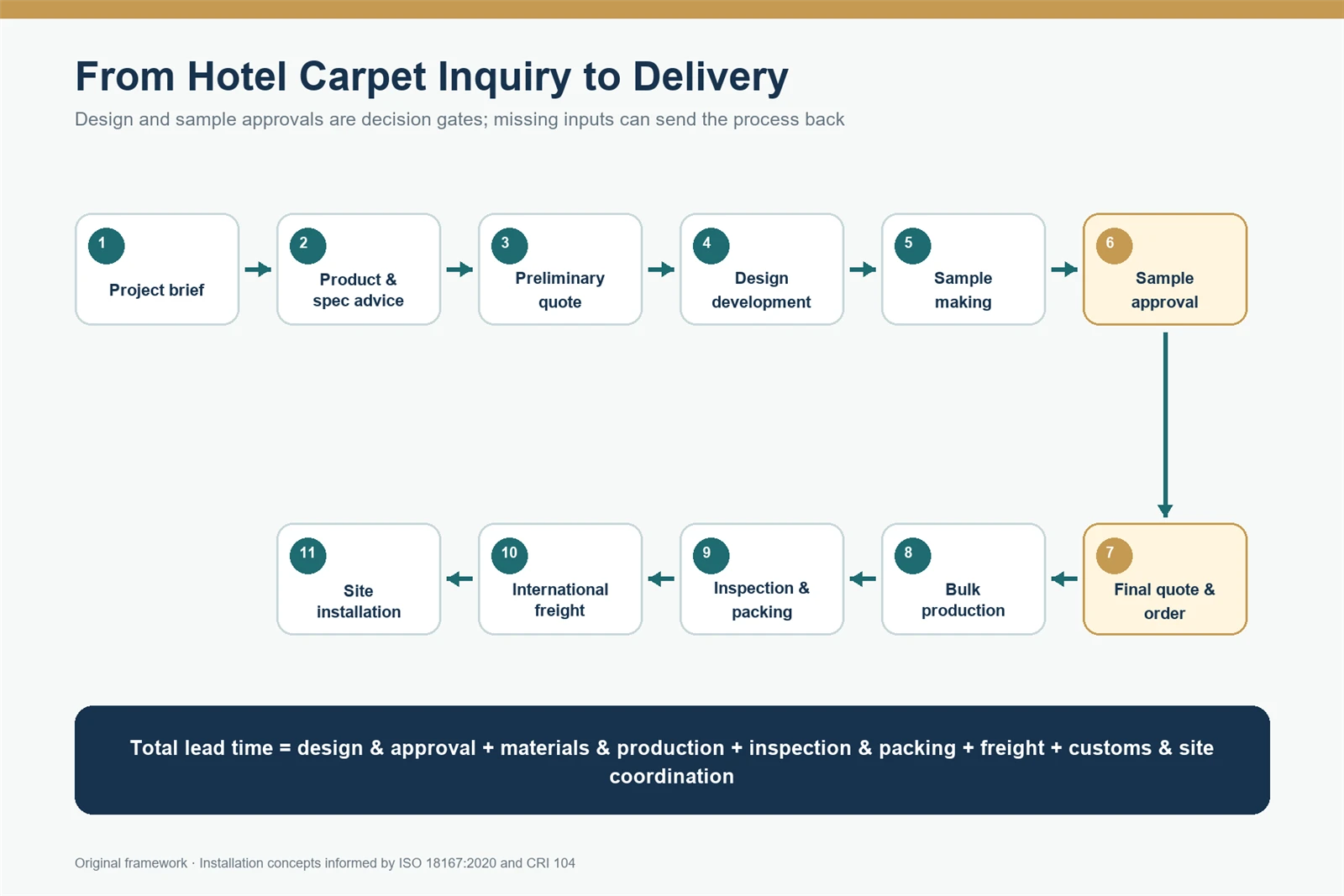
Chart 3 | From Hotel Carpet Inquiry to Delivery
Design and sample approval are decision gates. If either is incomplete, the process may return to the previous step. Asking only "How many days does production take?" misses most of the project clock. Early milestones also help the supplier assess whether samples should travel by air, whether deliveries should be phased, or whether one area needs priority.
9. Clarify Trade Terms and Delivery Scope
State the destination country and city, destination port, whether you have a forwarder in China, the requested Incoterms rule, and whether delivery is required to the port or the hotel site. Include packaging, pallet, labelling and split-shipment requirements.
"Price to Germany" is not a complete delivery instruction. Does it mean collection at the factory, delivery on board at a Chinese port, freight and insurance to a German port, or delivery to the project address after import formalities?
The 11 Incoterms 2020 rules allocate tasks, costs and risks between seller and buyer, but the rule must be paired with a named place or port-for example, "CIF Hamburg, Incoterms 2020." The commercial quotation should also state clearly what is excluded.
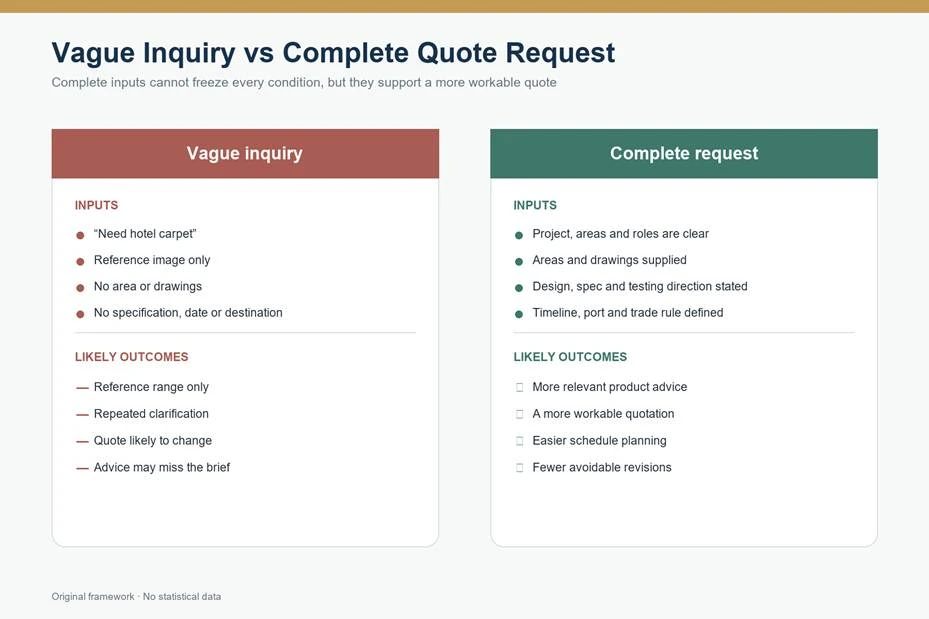
Chart 4 | Vague Inquiry vs Complete Quote Request
10. Copy-and-Send Hotel Carpet RFQ Template
Project name:
Hotel location:
Hotel rating or positioning:
Project type (new build / renovation):
Current project stage:
Your role / final approver:
Carpeted areas:
Estimated net area by zone:
Room count / floors / corridor dimensions:
Preferred carpet type:
Required specifications:
Design and colour direction:
Required standards or tender clauses:
Sample deadline and expected delivery date:
Destination port or project address:
Required Incoterms rule:
Packing, labelling or phased-delivery requirements:
Drawings or reference files attached:
11. Turn a Price Guess into a Workable Proposal
Dongsheng Carpet can help compare Axminster, printed nylon, tufted, hand-tufted and carpet tile solutions for different hotel areas. Product selection can be developed around the drawings, design direction, budget and technical requirements, with support across artwork, sampling, production, quality control and export logistics.
When you are preparing a hotel carpet quotation request, send the plans, area schedule, estimated quantities, design references, technical criteria and project dates. Dongsheng's team can then organise a more relevant product proposal, specification recommendation and quotation-so the next conversation is about decisions the project can use, not assumptions that still need to be discovered.
FAQ
1. Can I get a hotel carpet quote from a reference image only?
You can usually receive a preliminary price range, but not a reliable, order-ready quotation. An image shows style, not the installation area, quantity, construction, width, pattern repeat, testing, waste, delivery date or destination. Provide at least the carpeted zones, estimated area, project location and timing.
2. Why does the manufacturer need to know each hotel area?
Guest rooms, corridors, lobbies and ballrooms face different traffic, trolley loads, cleaning routines, acoustic needs and pattern expectations. The area helps the supplier recommend a suitable construction, backing and specification. It does not automatically make one product the only valid choice.
3. Must every carpet specification be final before asking for a quote?
No. At concept or budgeting stage, a manufacturer can propose options based on the area, budget and design direction, with assumptions clearly stated. Before sampling, contracting or production, the technical specification, colours, pattern, testing, quantity and trade terms should be confirmed.
4. Why can the purchase quantity exceed the net carpeted area?
Roll width, room shape, laying direction, pattern repeat, matching, seams, cutting, installation spares and future maintenance stock can all increase the order quantity. There is no universal waste rate for every hotel; the calculation should be based on drawings, product width, pattern and layout.
5. Can a carpet manufacturer help if we do not have final artwork?
Yes. Share renderings, brand standards, space photos, colour references, fabrics or furniture samples, and explain the desired mood. The design team can develop production artwork, but colour count, repeat, width, seams, process limits and a physical or approved sample still need confirmation.
About Dongsheng Carpet Dongsheng Carpet is a major woven carpet production and export base in China. The company specializes in Axminster carpet, Wilton carpet, tufted carpet, nylon printed carpet, handmade tufted carpet, and carpet tile, providing one-stop floor covering solutions for hotels, offices, residential properties, and commercial projects worldwide.


